Positive behaviour support is an evidence-based approach to behaviours of concern that works out why a behaviour is happening and changes the circumstances around it, rather than punishing the person. A practitioner assesses the person and their environment, then writes a behaviour support plan setting out the strategies everyone around them should follow.
At a glance
- A behaviour support practitioner calls to get started within one business day of referral
- Functional behaviour assessments
- Positive Behaviour Support Plans, including regulated restrictive practices under Module 2a
- Practitioner-led training for families, support workers and school staff
- Delivered at home, at school, in SIL homes, at work and in the community — or at our Charlestown clinic
- Telehealth for regional and remote participants with no local practitioner
- Every practitioner supervised internally, including by a registered psychologist
- Funded through NDIS Capacity Building — commonly the Improved Relationships category
Watch · 34 seconds
How our behaviour support works
A short animation: understanding why, the plan, who we train and work with, our local clinicians working face to face, and how quickly a practitioner calls.
Request a call backRead the transcript
Positive behaviour support starts with understanding why.
Our practitioners assess, write the plan, and train and work with family, support workers, school staff, and supported independent living homes.
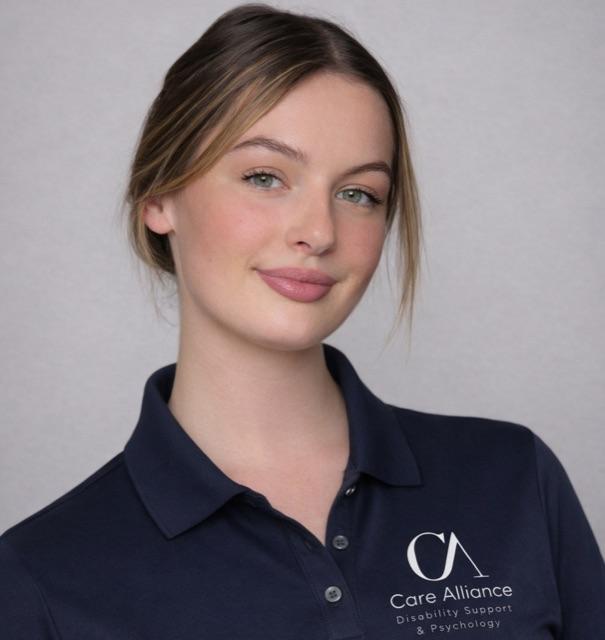
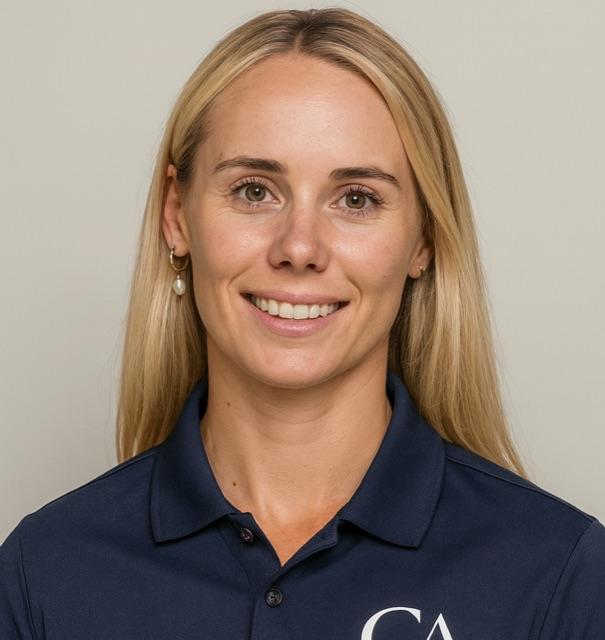
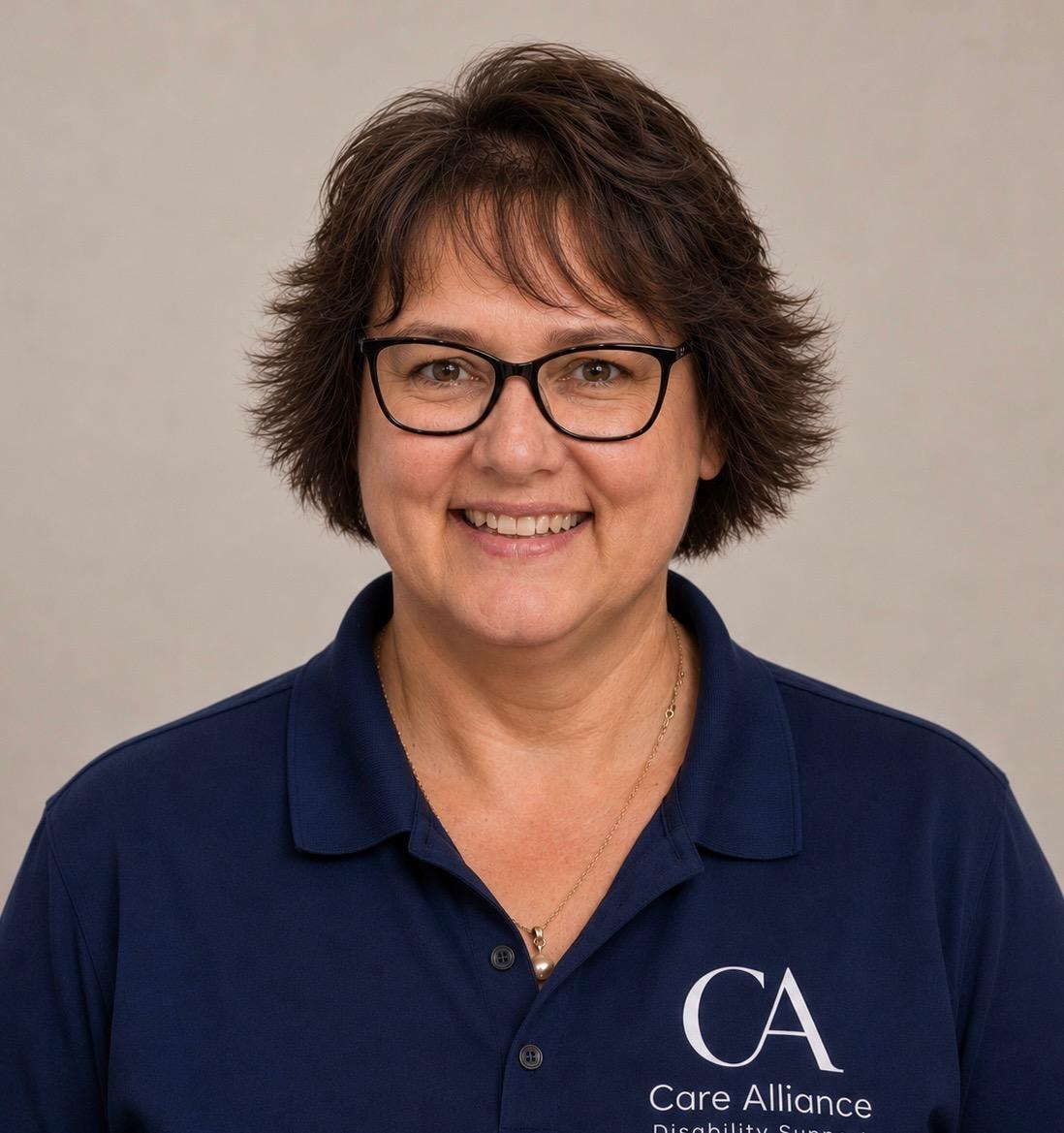
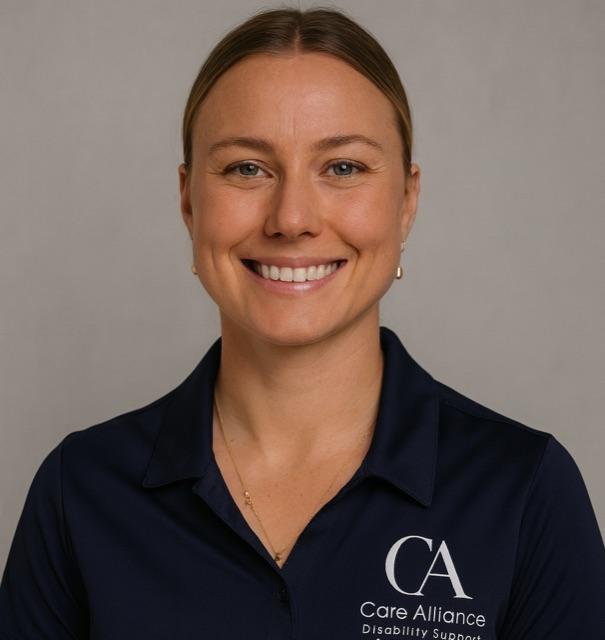
All of our clinicians live locally, in Newcastle and the Hunter Valley, so they work with you face to face: at home, at school, in supported independent living homes, and in the community.
And a practitioner calls to get started within one business day of referral.
Care Alliance. Call 1300 206 309.
Recognised for behaviour support
Care Alliance is TopNDIS Australia's number one behaviour support provider for 2026 — first in New South Wales, and first in Australia.
We mention it because it comes from outside our own walls. But an award is not a substitute for fit: whether behaviour support with us is right for a particular person still depends on their needs, their goals and our capacity at the time — and our intake team will say so plainly if we are not the right match.
NDIS-approved, including Module 2a
As an NDIS-registered provider, Care Alliance is approved to develop Positive Behaviour Support Plans (PBSPs), including plans involving the use of regulated restrictive practices under Module 2a, in accordance with NDIS Commission requirements and relevant legislation.
Behaviour is communication
We recognise that behaviour serves a purpose and is often a form of communication. Our practitioners work closely with participants, families, carers and support networks to understand the factors contributing to behaviours of concern, and to develop practical, strengths-based strategies that address underlying needs, reduce risk and support positive change.
Our approach is grounded in least restrictive alternatives, compassionate practice and a strong focus on safeguarding the rights, dignity and wellbeing of each participant.
Every practitioner is local — and works face to face
All of our behaviour support practitioners live and work in Newcastle and the wider Hunter. None of this is delivered remotely from another city. That means we can be there in person, in the places where life actually happens:
- In the classroom, and in school planning meetings
- In SIL homes, alongside the house team
- At work, and in group day programs
- At home, with family and support workers
- In the community, where the pressure is often greatest
Supervised, not left to work it out alone
Every one of our behaviour support practitioners receives internal supervision, from Heidi and from Marqus — who is both a registered psychologist and a behaviour support practitioner. Supervision is part of the role here rather than something squeezed in around a caseload.
It matters to the people we support, not just to the practitioner: complex cases get a second clinical mind on them, plans are pressure-tested before they reach a family, and a practitioner is never deciding alone about restrictive practices or a plan that is not working.
This matters more than it might sound. Behaviour makes sense in context, and so do the strategies that change it — half an hour watching a morning routine or a classroom transition tells us things no report ever will. Being close by also means we can come back when something shifts, rather than waiting for the next scheduled review.
It also means we are working alongside the same people you are: teachers, support workers, house teams, employers, family. A plan only works when everyone around a person applies it consistently, and that kind of coordination is built through turning up — not over video calls. The best outcomes come from being part of the same community as the person we support and the people who support them.
If there is no practitioner where you live
Everything above is why we are built the way we are, and where we can be in the room we will be. But being in the room is not on offer everywhere. Large parts of regional and remote New South Wales have no behaviour support practitioner within hours, and families there are not choosing between in person and telehealth. They are choosing between telehealth and nothing.
For those participants we deliver behaviour support by telehealth. It works best where there are people on the ground we can work through — family, support workers, a school, a house team — because the assessment still depends on someone seeing what actually happens in context. We coach and train the people who are already there rather than pretending the distance costs nothing.
This includes plans involving regulated restrictive practices under Module 2a. The standard does not move with the distance - the same evidence, the same least-restrictive reasoning, the same reporting and review obligations - and the closer we have to work with the team applying the plan, the more explicit we are about what that team needs from us.
We will tell you honestly whether we think we can do good work at that distance, and we will say so if the answer is that waiting for a local practitioner would serve you better. Living a long way from a city should not decide whether you get behaviour support, but nor should it mean pretending a video call is the same thing.
Behaviour support in Newcastle, Lake Macquarie and Maitland
Most of our behaviour support work happens across three areas — Newcastle, Lake Macquarie and Maitland — with practitioners also working in Cessnock, Port Stephens and on the Central Coast. Every practitioner is based in the Hunter, so a school meeting in Maitland or a house visit in Lake Macquarie is a local trip, not a day trip from Sydney.
Each plan is developed by a qualified practitioner experienced in behavioural assessment, intervention planning and training support teams for consistent, effective implementation. We work collaboratively with participants, families, schools, support coordinators and other providers to increase safety, build independence, strengthen everyday functioning and enhance quality of life.
In-clinic at Charlestown, or wherever works better
Our clinic sits on the corner of Frederick and Pearson Streets in Charlestown, and behaviour support can be delivered there when a quiet, neutral room is what a participant needs. Just as often the useful place is somewhere else entirely — a classroom, a SIL lounge room, a workplace — and we go there instead.
Common questions
How quickly does behaviour support start?
Within one business day of your referral, a behaviour support practitioner will call you to get started. That first call is about understanding the person and what is happening, so the assessment is built around them from the beginning. Our intake team also usually calls within one business day to take the referral details.
Can Care Alliance write plans involving restrictive practices?
Yes. We are approved under Module 2a to develop Behaviour Support Plans that include regulated restrictive practices, always with a least-restrictive, rights-focused approach and in line with NDIS Commission rules.
Do you train the support team implementing the plan?
Yes — practitioner-led training of family members, support workers and school staff is a standard part of how we implement every plan.
Where do behaviour support sessions happen?
Wherever they will work best. Our clinic is on the corner of Frederick & Pearson Streets, Charlestown NSW 2290, and we also work in schools, SIL homes, workplaces, day programs and family homes right across Newcastle, Lake Macquarie and the wider Hunter.
Do you deliver behaviour support by telehealth?
Yes, for participants in regional and remote areas where there is no local practitioner. Our preference is always to be in the room, and across the Hunter that is what we do - but living a long way from a city should not decide whether someone gets behaviour support at all. Telehealth works best where there are people on the ground we can coach: family, support workers, a school or a house team. We will tell you plainly whether we think we can do good work at that distance.
Can a functional behaviour assessment be done remotely?
Partly, and it changes how the assessment is built. Understanding behaviour depends on seeing it in context, so a remote assessment leans much harder on the people who are there - structured interviews, data the support team collects, and video where a participant consents to it. It can be done well, and we would rather do it well at a distance than not at all. We will be honest about the limits before we start rather than after.
Can you write plans involving restrictive practices for a telehealth participant?
Yes. The standard does not move with the distance - the same Module 2a approval, the same least-restrictive reasoning, the same evidence, and the same NDIS Commission reporting and review obligations apply whether we are in the room or not. What changes is how we gather that evidence and how closely we work with the people implementing the plan, because a restrictive practice is only as safe as the team applying it. We will be specific about what we need from the local team, and we will say so if we do not think it can be done safely at a distance.