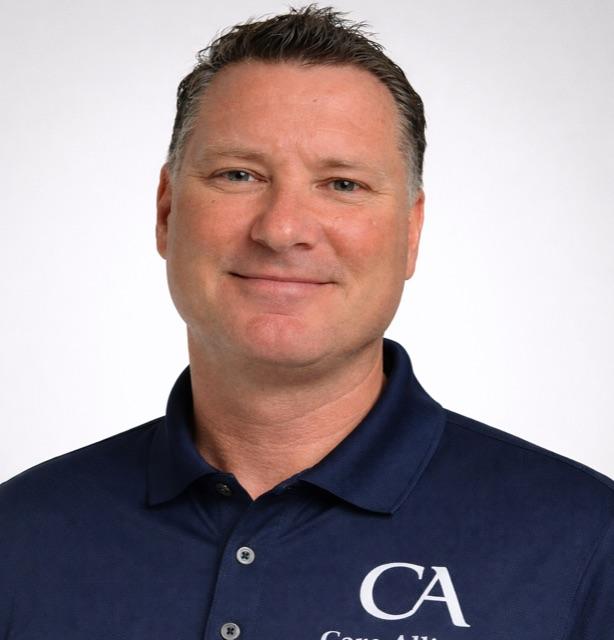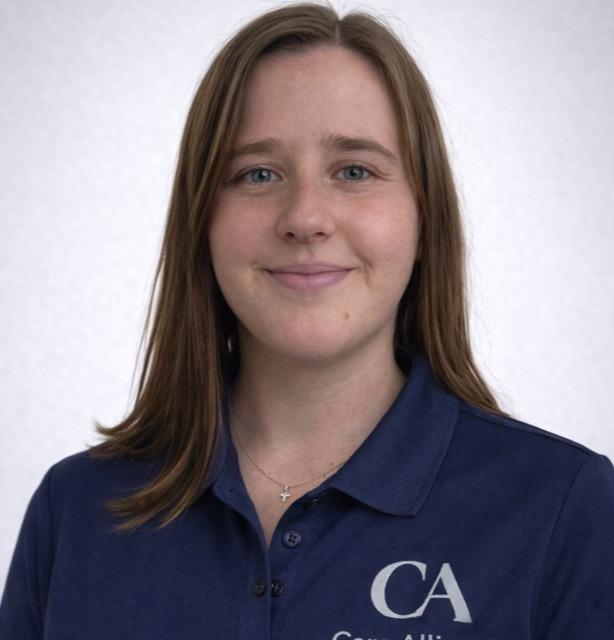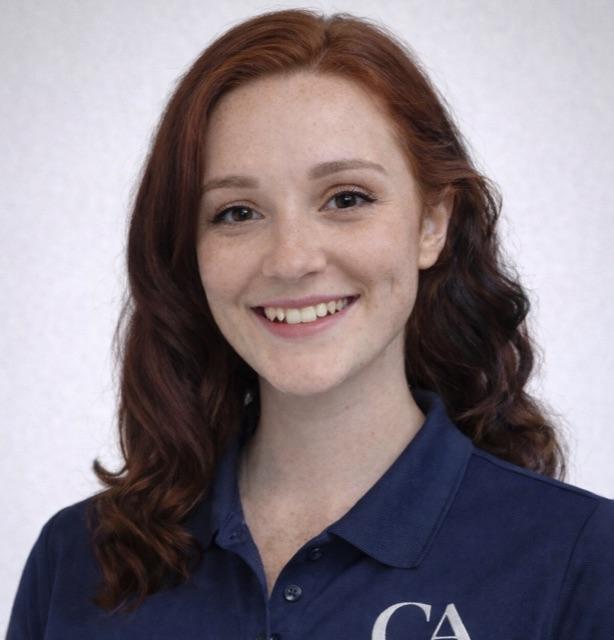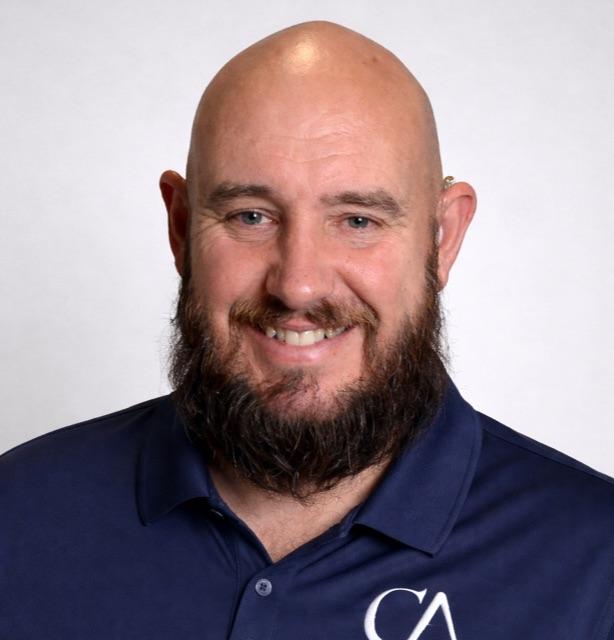
An Auslan-trained support worker is a disability support worker who signs, so a Deaf or hard-of-hearing participant can communicate with the person supporting them directly rather than through an interpreter or a family member. They deliver the same supports as any other worker — personal care, in-home support, community access and transport.
At a glance
- Support workers who sign, so communication is direct rather than through an interpreter or a family member
- The same supports as any other worker - personal care, in-home support and community access
- Available across Newcastle, Lake Macquarie, Maitland, Cessnock, Port Stephens and the Central Coast
- Workers experienced in tactile Auslan for participants who are deafblind
- The team includes an Auslan tutor and a Deaf guest educator
- For legal matters, medical consultations or plan meetings we recommend a NAATI-accredited interpreter
- Funded as ordinary support work - asking for a worker who signs costs no more
Watch · 19 seconds
Support workers who sign
A short animation: Auslan-trained support workers who talk with you directly, at no extra cost.
Request a call backRead the transcript
Support workers who sign.
Our Auslan-trained support workers talk with you directly, for personal care, support at home and getting out in the community.
And asking for a worker who signs costs no more.
Care Alliance. Call 1300 206 309.
Why a signing support worker changes the shift
When a support worker does not sign, everything runs through someone else — a booked interpreter, a family member, a phone, or a notes app. That works for appointments. It does not work for the ordinary run of a day: deciding what to cook, sorting out a problem with a bill, saying you are not feeling right, or simply having a conversation.
A support worker who signs removes the middle step. The participant speaks for themselves, in their own language, to the person actually providing the support. Privacy comes back, because a family member is no longer relaying personal things. So does spontaneity, because a conversation no longer has to be scheduled.
Auslan and tactile Auslan
Our team includes workers experienced in tactile Auslan, signed hand-over-hand for people who are deafblind or who have limited vision. It is a distinct skill from visual Auslan and far less commonly available in disability support.
Fluency varies across the team, from workers who teach Auslan to those working through formal qualifications. We will tell you plainly where a particular worker sits rather than overstating it — the wrong match helps nobody.
Deaf-led experience, not just a course
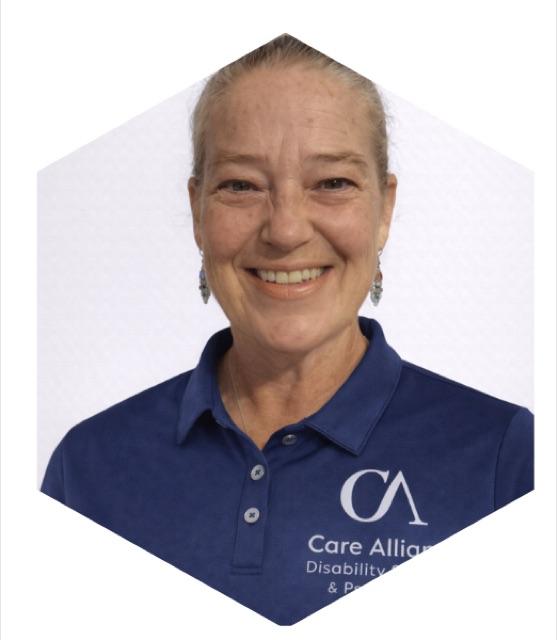
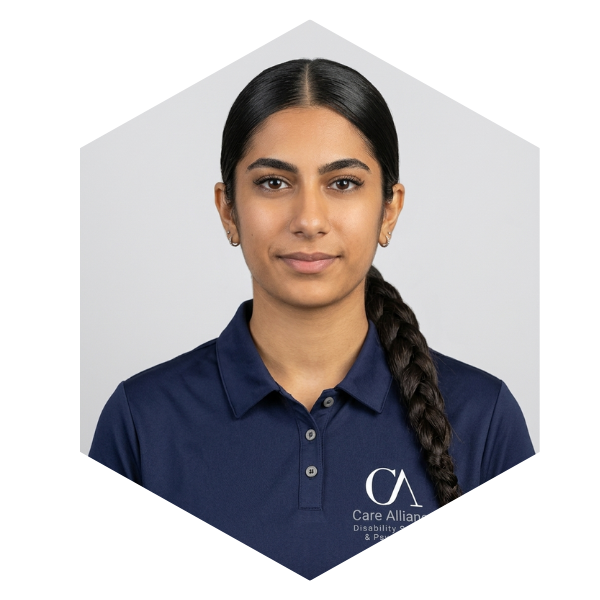
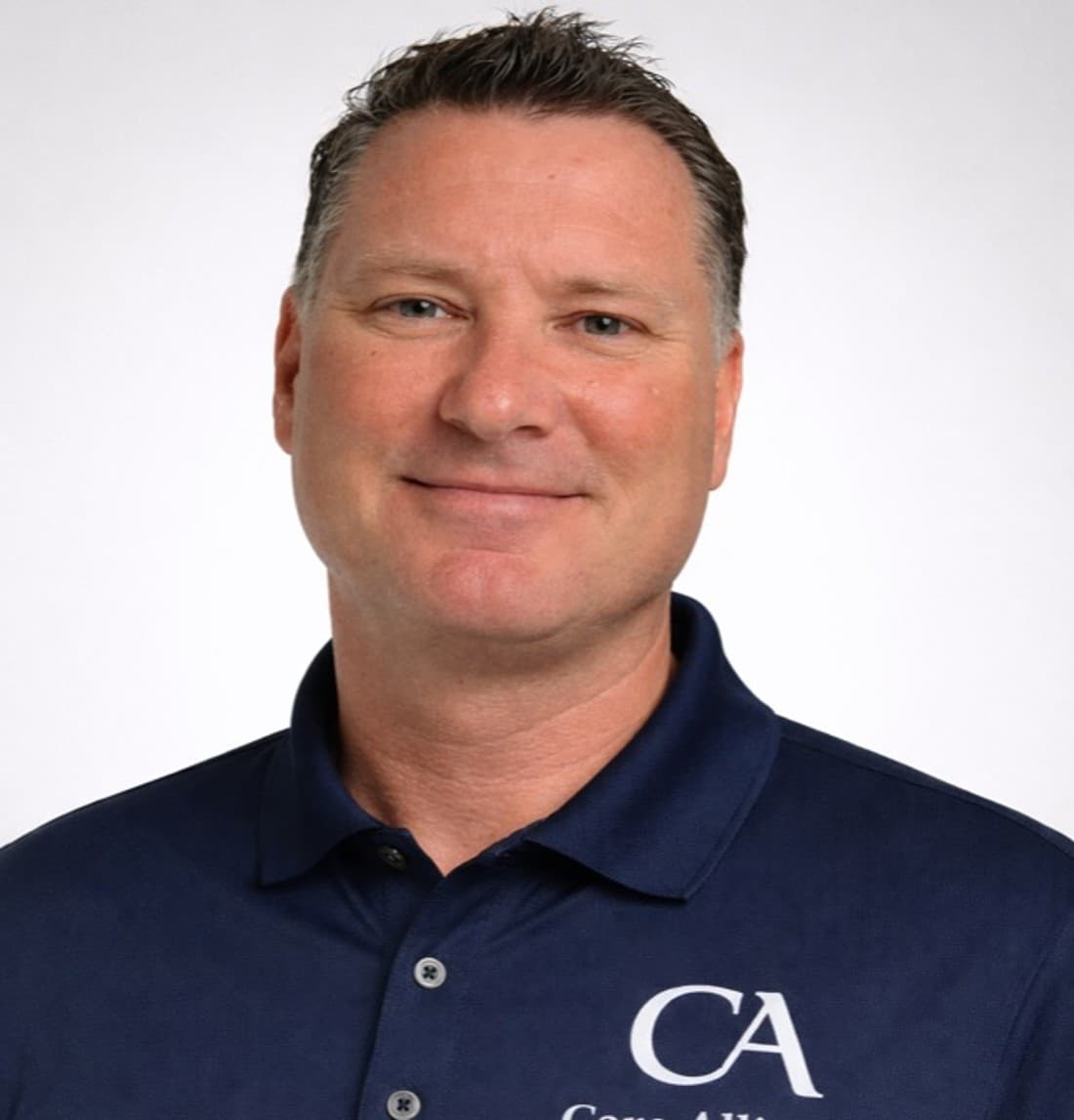
Our Auslan team includes an Auslan tutor and Deaf guest educator who has supported students, interpreters and training programs through TAFE and Deaf Connect, and who brings lived experience to the work. Others have taught Auslan for years or come from teaching backgrounds.
That matters because Auslan is a language with its own grammar and a culture attached to it. Deaf awareness — knowing how to get someone's attention, how to position yourself, when to use an interpreter anyway — is learned from the Deaf community, not from a vocabulary list.
Where the signing support fits
Auslan-trained workers deliver the same supports as the rest of our team — in-home support, personal care, community access, transport in our wheelchair-accessible vans, and support to appointments and activities. The signing is not a separate service you buy; it is who we roster.
Most of them are part of our senior support team, so they also bring the usual skills the work needs: personal care, manual handling, hoists and transfers, and support for people with complex communication and sensory needs.
Asking for a signing worker
Tell us at your first call that Auslan matters and we will build the roster around it rather than treating it as a preference to accommodate later. Every client approves their own team and we only roster from it, so the workers who sign become the regular faces rather than an occasional match.
We support participants across Newcastle, Lake Macquarie, Maitland, Cessnock, Port Stephens and the Central Coast. Availability is finite — six Auslan-trained workers, not sixty — so the earlier we know, the better the roster we can build.
Common questions
Do you have Auslan-trained support workers in Newcastle?
Yes. We have support workers trained in Auslan working across Newcastle, Lake Macquarie, Maitland, Cessnock, Port Stephens and the Central Coast. They are part of our senior support team and you can see them on our team page.
Can a support worker sign instead of using an interpreter?
For day-to-day support, yes — that is the point of rostering a worker who signs. For formal or high-stakes situations such as legal matters, medical consultations or plan meetings, a NAATI-accredited interpreter is still the right call, and we will say so rather than stretch what a support worker should cover.
Do you support people who are deafblind?
We have workers experienced in tactile Auslan, which is signed hand-over-hand for people who are deafblind or have limited vision. Tell our intake team when you call so we match the right worker from the start.
How fluent are your Auslan-trained workers?
It varies. The team includes an Auslan tutor and Deaf guest educator, workers who have taught Auslan for years, and a worker who holds a Certificate II in Auslan and is now working through Certificate III. We will tell you where a particular worker sits rather than describing everyone as fluent.
Is Auslan support funded by the NDIS?
The support itself is funded the same way as any other support work in your plan — core supports for daily living, community access and personal care. Requesting an Auslan-trained worker does not change the funding or the rate; it changes who we roster.