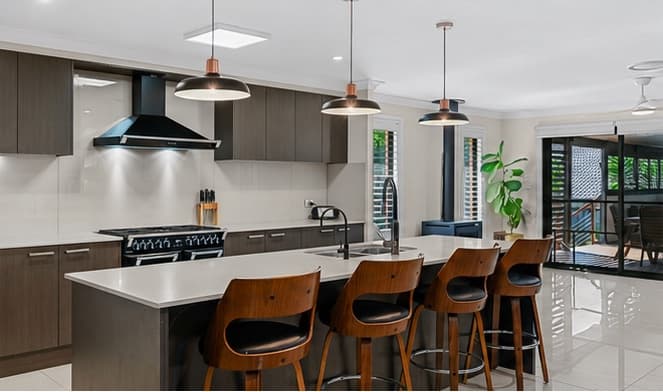


Supported Independent Living, almost always shortened to SIL, is NDIS funding for paid support with daily tasks in the home where a person lives — usually for people who need significant help throughout the day and often overnight. SIL funds the support, not the housing: rent, groceries and utilities are still paid from a person's own income.
At a glance
- 24/7 support, most often in a shared home
- Personal care, domestic help, life skills and community access
- Small, consistent teams — you approve every support worker, and we only roster from your approved team
- Your support workers are guided and trained by both our registered nurses and our psychologists
- If you have complex care or mental health needs, a registered nurse or psychologist comes to your free meet and greet
- Registered nurse oversight and a 24/7 on-call team behind every shift
- Behaviour support and psychology in-house
- Registered for high intensity supports, with 1:1, 1:2 and 1:3 support ratios
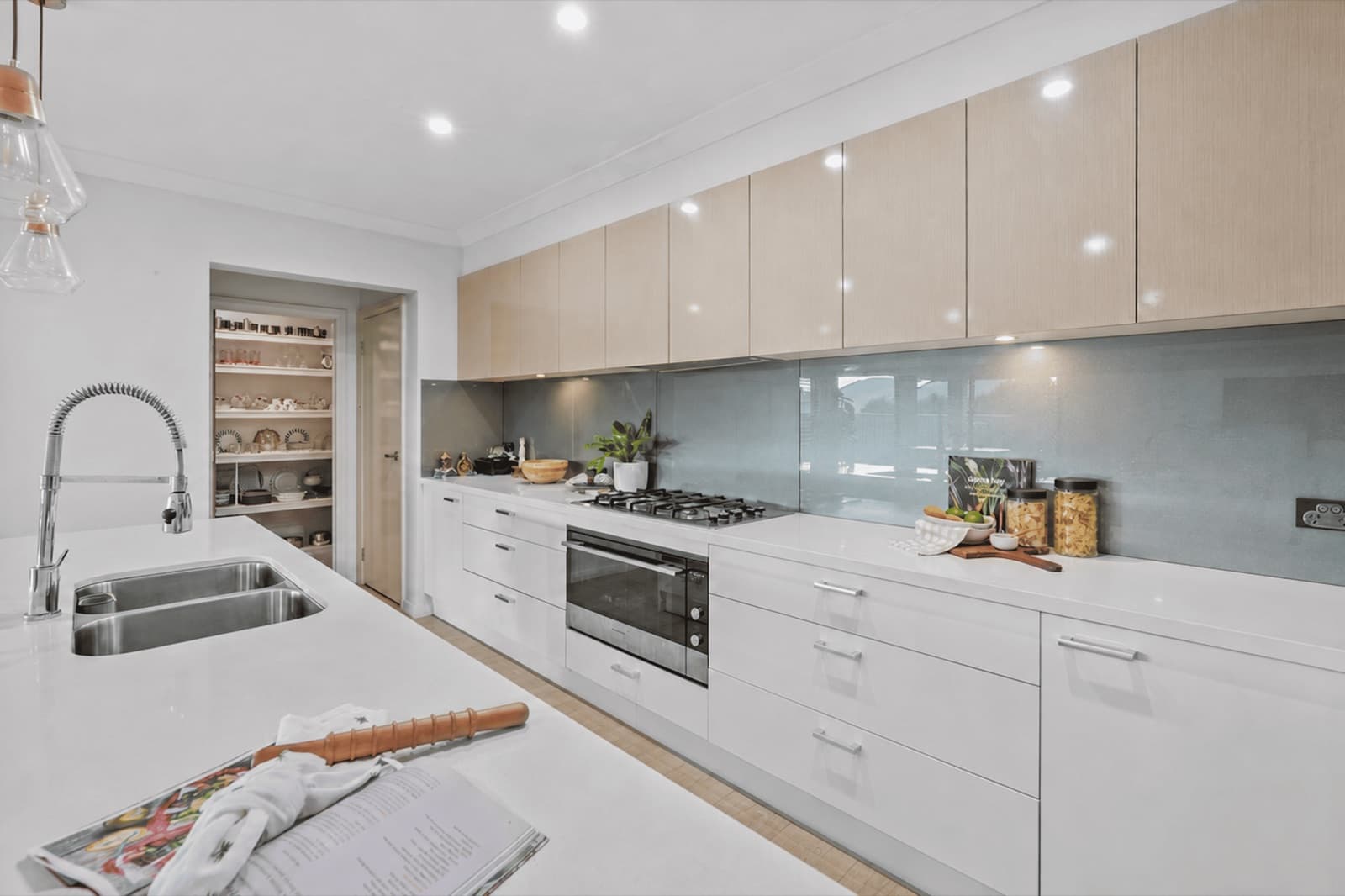
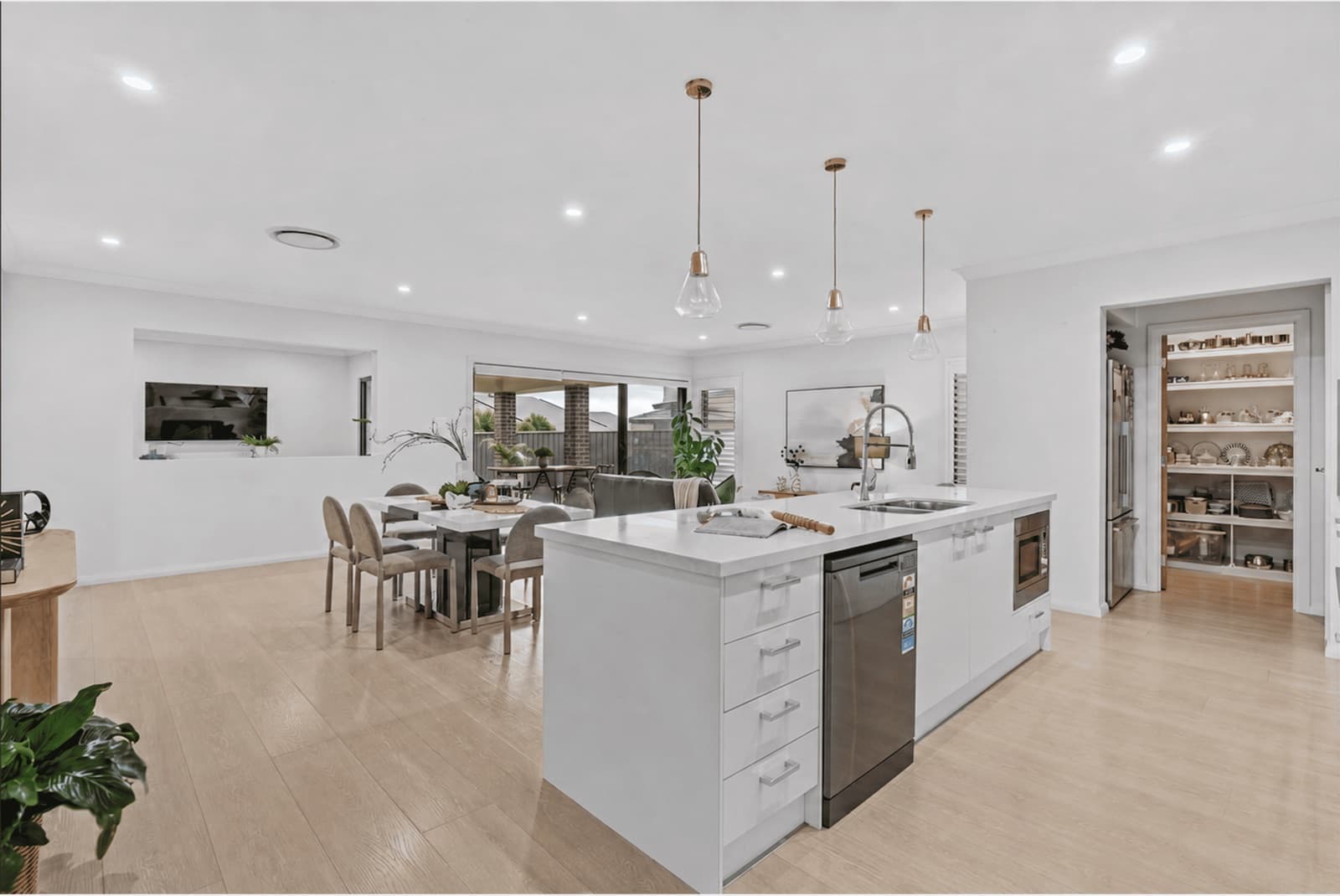
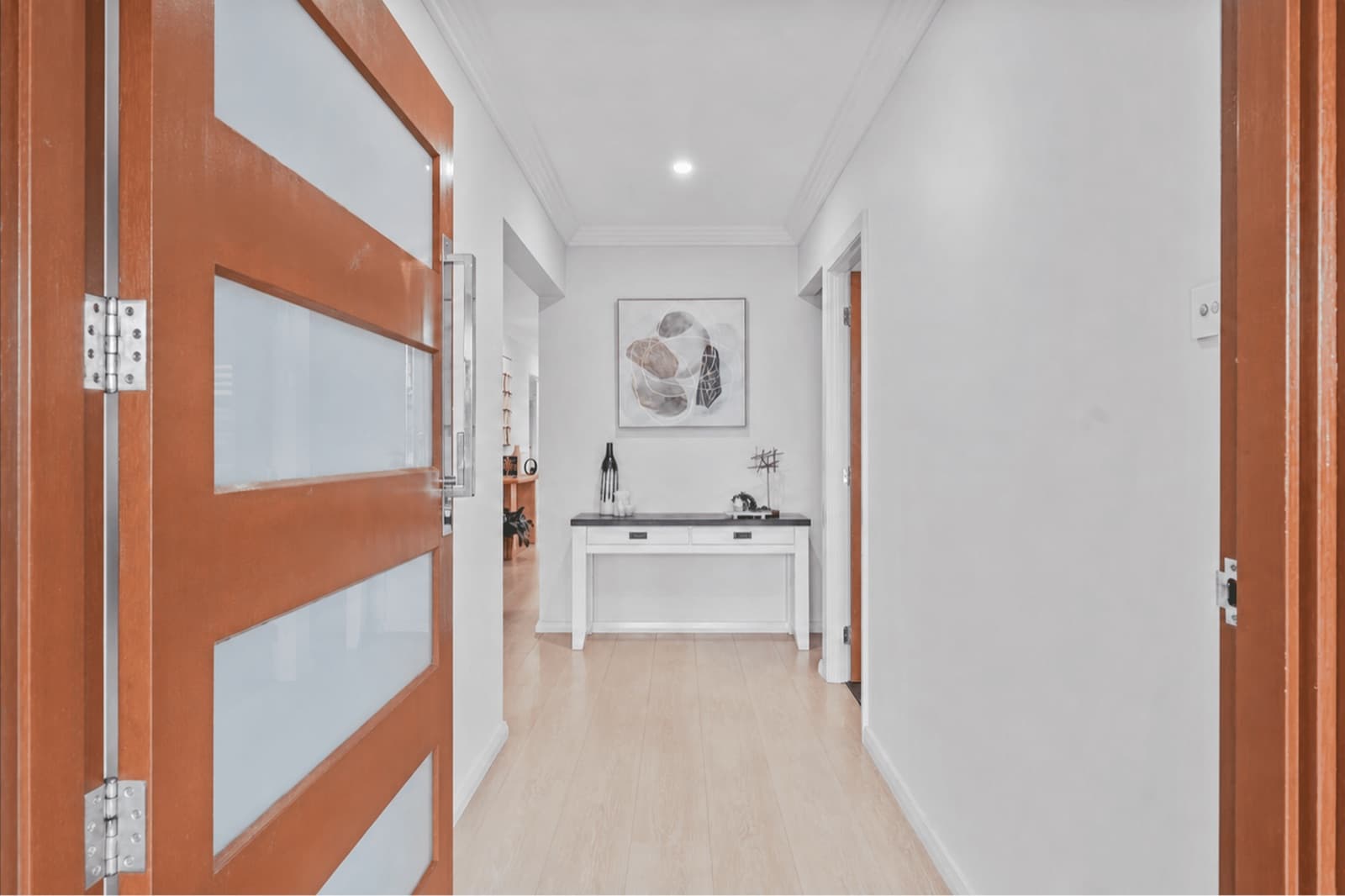
- We own all of our SIL homes, so they are long-term, stable homes
- Every SIL home has its own dedicated wheelchair-accessible van
- Homes in Chisholm and Raworth — see current vacancies
Watch · 56 seconds
Life in a Care Alliance SIL home
A short animation: support around the clock, a team guided by our nurses and psychologists, a nurse or psychologist at your meet and greet if you need one, homes we own, a van for every home, your approved team, and 24/7 on-call.
Request a call backRead the transcript
A long-term home, with support around the clock.
In our Supported Independent Living homes, a small, consistent team helps with personal care, daily life and getting out in the community.
Your support team receives clinical guidance and training from both our registered nurses and our psychologists, so your physical and mental health benefit from great support that is backed by evidence.
If you have complex care needs, a registered nurse comes to your free meet and greet. If you have complex mental health needs, a psychologist comes along.
We own all of our homes, so they are long-term and stable. Every home has its own dedicated wheelchair-accessible van.
You approve every support worker on your team. That's why we call it your approved team.
With our 24/7 on-call team, you never miss your support.
Care Alliance. Call 1300 206 309.
What SIL includes
SIL supports are built around each resident's needs and goals, and may include:
- Personal care and self-care assistance
- Domestic assistance
- Skill development and life skills building
- Community access
- 1:1 or shared supports for participants with higher care needs
Stability, safety and independence
Whether a participant prefers greater independence or the opportunity to build skills and social connections in a shared home, our accommodation supports are designed to promote safety, stability and everyday independence.
Our SIL homes are supported by small, consistent, well-trained teams with Registered Nurse oversight and a 24/7 on-call service — and behaviour support and psychology sit in-house, so clinical help is never far away. We provide SIL services across Newcastle.
We also own every one of our SIL homes. SIL houses are often rented by the provider from a private landlord, which means a sale or an ended lease can move a whole household on through no fault of their own. Ours are not rented, so the people who live in them can settle in and treat the house as their long-term home.
Every one of our SIL homes has its own dedicated wheelchair-accessible van. The people who live there also have access to our wider fleet of wheelchair-accessible vans.
Your approved team
Every Care Alliance client has an approved team: the support workers you have said yes to. You are in control of who is on it, and we only ever roster from your approved team. That way you know the people who are turning up, and they are trained in how best to support you.
How a support worker joins your team:
- First, a call. Our Rosters & Teams department calls you, or your representative, to discuss potential new team members.
- If you approve, a shadow shift comes next. When we are building your team, every new support worker does a shadow shift, and we pay for it. It is at our expense.
- Then you decide. After the shadow shift, our Rosters & Teams department calls you, or your representative, and asks whether you want that worker on your team. The answer can be yes or no, or we can provide more training first. There is never any pressure to have anyone on your team who isn't the right fit for you.
- Only your approved team is rostered. From then on, our rostering team only rosters support workers from your approved team: the team you chose. You only ever have the team you have approved.
Guided by our nurses and our psychologists
Your support team receives clinical guidance and training from both our registered nurses and our psychologists, so your physical and mental health benefit from great support that is backed by evidence.
Watch · 41 seconds
Body and mind, both looked after
Read the transcript
Body and mind, both looked after.
Your support team receives clinical guidance and training from both our registered nurses and our psychologists, so your physical and mental health benefit from great support that is backed by evidence.
If you have complex care needs, a registered nurse comes to your free meet and greet. If you have complex mental health needs, a psychologist comes along.
Our nurses train your team in your health and care needs.
Our psychologists guide them in supporting your wellbeing.
So the people beside you every day know what to do, and why.
Care Alliance. Call 1300 206 309.
- From our registered nurses. Clinical guidance and training for your support workers on your physical health.
- From our psychologists. Clinical guidance and training for your support workers on your mental health.
A nurse or psychologist at your meet and greet
If you have complex care needs, one of our registered nurses comes to your free meet and greet, to plan your clinical care, your nursing oversight and any extra training your support workers will need. If you have complex mental health needs, one of our psychologists comes along. So the right clinical planning starts at your very first meeting.
- Complex care needs. A registered nurse joins your meet and greet to plan your clinical care, your nursing oversight and any extra RN training for your support workers.
- Complex mental health needs. A psychologist joins your meet and greet, so your mental health needs are understood from the start.
What a good SIL match actually depends on
The building matters less than most people expect. What determines whether a SIL arrangement works is who else lives there, whether the support model matches the level of support genuinely needed, and whether the staff team is stable enough for people to build trust with them.
Household compatibility is the part most often rushed. Putting people together because a vacancy exists, rather than because the mix makes sense, is the most common reason a placement breaks down — and a breakdown costs the participant far more than a longer wait would have. We would rather hold a vacancy than fill it badly, and we will say so if we do not think a match is right, even when a bed is sitting empty.
Common questions
How is SIL different from ILO?
SIL provides ongoing (often 24/7) support in a shared home. Individualised Living Options (ILO) is a more flexible package built around your own living arrangement — for example living alone with drop-in support, or with a host. We offer both and can help you work out which fits.
Does SIL pay my rent?
No. SIL funds the support, not the housing. Rent, board and everyday living costs are paid separately, usually from the Disability Support Pension or other income - the same way any tenant pays for where they live. It is the single most common misunderstanding about SIL, so it is worth being clear about early.
Who owns your SIL homes?
We do. Every Care Alliance SIL home is owned by us rather than rented from a landlord, so there is no outside owner who can sell the house or decide not to renew a lease. That makes it a long-term, stable home for the people who live there. Rent is still paid separately from your own income, because SIL funds the support and not the housing.
Does each SIL home have its own wheelchair-accessible van?
Yes. Every one of our SIL homes has its own dedicated wheelchair-accessible van. The people who live there also have access to our wider fleet of wheelchair-accessible vans.
Do I have to live with other people?
Not necessarily. SIL is most commonly delivered in a shared home where two or three residents split the cost of shared overnight and daytime support, because that is what makes higher levels of support affordable. It can also be delivered to someone living alone where the need justifies it.
How is the amount of SIL funding worked out?
From a roster of care - a week-by-week picture of the support you actually need, including overnight, built with you and agreed with the NDIS. It is not a flat rate, and two people in the same house can have very different SIL funding depending on their needs.
Do I get a say in who supports me?
Yes, you decide. Every client has an approved team. Our Rosters & Teams department first calls you or your representative to discuss potential new team members. If you approve, the support worker does a shadow shift, at our expense. Rosters & Teams then calls again to ask whether you want that worker on your team. The answer can be yes or no, or we can provide more training first, and there is never any pressure to have anyone on your team who isn't the right fit for you. We only ever roster from your approved team, so you know who is turning up and they are trained in how best to support you.
Who guides and trains my support workers?
Both our registered nurses and our psychologists. Your support team receives clinical guidance and training from both, so your physical and mental health benefit from great support that is backed by evidence. Care Alliance is owned and operated by psychologists and has its own in-house team of registered nurses.
Will a nurse or psychologist come to my meet and greet?
If you need them, yes. If you have complex care needs, one of our registered nurses comes to your free meet and greet, to plan your clinical care, your nursing oversight and any extra training your support workers will need. If you have complex mental health needs, one of our psychologists comes along. The meet and greet is free and there is no obligation.
Do you have SIL vacancies?
Vacancies change, so we publish them rather than making you ask. Our current homes and any openings are listed on this page and on our SIL vacancies page, and our live capacity board shows which services and areas are accepting referrals right now.